Arborist Advice for Tree Removal Woodend After Storm and Wind Damage
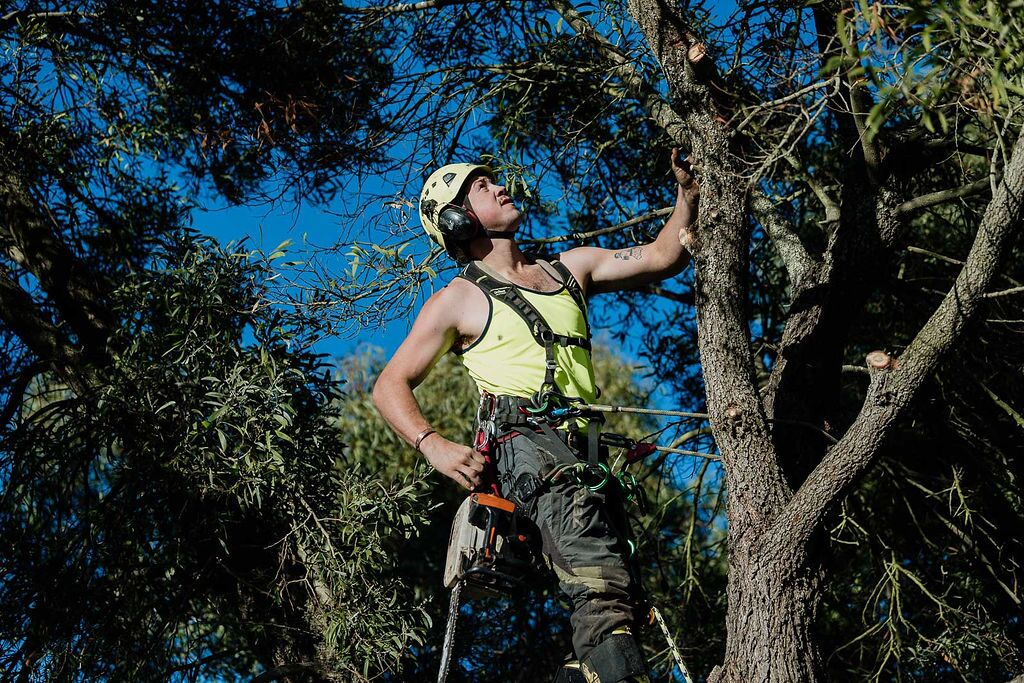
Severe storms and strong winds can have a major impact on trees around homes and commercial properties. While some damage may appear minor at first, hidden structural issues can develop and create serious safety concerns over time.
Broken branches, weakened trunks, exposed roots, and unstable trees should always be assessed carefully after extreme weather. For property owners, getting advice from an experienced arborist Woodend specialist can help determine whether a tree can be restored or whether professional removal is the safest option.
Understanding how storm damage affects trees and knowing when to seek professional assistance can help protect your property and prevent further risks.
Storm Damage Challenges That Require Professional Tree Removal Woodend Services
Storms can leave trees in unpredictable conditions. A tree that appears stable after strong winds may have internal damage that affects its strength and ability to withstand future weather events.
Professional tree removal Woodend services are often required when trees have suffered severe structural damage, especially when they are located close to houses, driveways, fences, or areas frequently used by people.
An experienced arborist will carefully inspect the condition of the tree before recommending removal. In some cases, damaged trees may be restored through pruning or maintenance, while others may pose too much risk and require complete removal.
Making the right decision after storm damage is important because delaying necessary tree work can increase the chance of property damage or personal injury.
Understanding How Wind and Storm Damage Affects Trees Around Woodend Properties
Strong winds can affect trees in several ways. Large branches may break, trunks can develop cracks, and root systems may become unstable due to soil movement or excessive weather conditions.
Some storm-related tree problems are immediately visible, while others appear gradually. A tree that has been weakened may continue to decline even after the storm has passed.
Common signs of storm-related tree damage include:
- Large broken branches or hanging limbs
- Visible cracks in the trunk
- Trees leaning in unusual directions
- Exposed or lifted roots
- Reduced stability after heavy winds
Professional assessment is important because damaged trees can become hazardous long after the original storm event.
The Importance of Arborist Reports for Assessing Damaged Trees
Before deciding on tree removal, property owners may benefit from a professional assessment. Arborist reports provide detailed information about a tree’s health, structure, and safety condition.
A qualified arborist prepares these reports by examining factors such as tree stability, visible damage, environmental conditions, and potential risks to surrounding areas.
Arborist reports are especially useful when dealing with large trees, insurance matters, council requirements, or situations where homeowners need professional documentation before taking action.
Rather than making decisions based only on appearance, an arborist Woodend professional can provide expert recommendations based on the actual condition of the tree.
Restoring Tree Health Through Tree Pruning Woodend Services
Not every storm-damaged tree needs to be removed. In many situations, professional tree pruning can help restore safety and improve the overall health of the tree.
Tree pruning Woodend services focus on carefully removing damaged, dead, or unstable branches while maintaining the natural structure of the tree.
Proper pruning after storm damage can reduce stress on the tree and prevent weakened branches from causing future problems. It also helps improve airflow, encourage healthy growth, and maintain a safer environment around your property.
However, storm-damaged trees should not be pruned without proper knowledge. Removing the wrong branches can create additional structural problems and affect the tree’s long-term health.
Managing Large and Damaged Trees With Tree Lopping Woodend
Tree lopping is often used to manage trees that have become overgrown, damaged, or difficult to maintain after storms. However, it is important to understand that professional tree lopping should always be performed carefully to avoid harming the long-term health of the tree.
The Difference Between Tree Lopping and Tree Pruning Services
Although tree lopping and tree pruning are sometimes used interchangeably, they serve different purposes. Tree pruning focuses on selectively removing unhealthy, damaged, or unnecessary branches to improve tree structure and encourage healthy growth.
Tree lopping generally involves removing larger sections of branches to reduce size or manage safety concerns. Because excessive removal can weaken a tree, this work should always be completed by an experienced arborist who understands proper techniques.
When Emergency Tree Services Woodend Are Needed After Storms
Some storm situations require immediate attention. Fallen trees, unstable branches, and damaged trees near buildings can create urgent hazards that should not be ignored.
Emergency tree services Woodend provide rapid support when storm damage creates immediate safety concerns. Professional emergency arborists have the equipment and experience needed to manage dangerous situations safely.
Whether a tree has fallen across an access area, damaged property, or become unstable after strong winds, professional assistance can help reduce risks and restore safety quickly.
Safe Tree Removal Woodend Solutions for Damaged Trees
When a tree cannot be safely preserved, professional removal may be the best solution. Tree removal requires careful planning, specialised equipment, and experienced operators to prevent additional damage.
A reliable tree removal Woodend team will assess the surrounding environment before beginning work. Factors such as nearby structures, access limitations, and tree size all influence the safest removal method.
Professional tree removal is designed to protect your property while ensuring damaged trees are removed efficiently and responsibly.
Completing Storm Recovery With Professional Stump Grinding Woodend
After tree removal, the remaining stump can become an ongoing problem. Stumps may interfere with landscaping plans, attract pests, and create unnecessary obstacles around outdoor areas.
Professional stump grinding Woodend services provide an effective way to remove unwanted stumps and restore usable space in your garden.
Stump grinding allows homeowners to prepare the area for future landscaping, lawn installation, or new planting without leaving behind old tree remains.
For complete storm recovery, combining tree removal with professional stump grinding ensures the entire area is properly cleared and ready for improvement.
Long-Term Tree Care Woodend Solutions for Healthier Landscapes
Storm events often highlight the importance of regular tree maintenance. Healthy and properly managed trees are generally better prepared to handle environmental stress.
Professional tree care Woodend services can help homeowners identify potential issues before they become serious problems. Regular inspections, maintenance pruning, and health monitoring can support stronger trees and safer outdoor spaces.
Long-term tree care is an investment that helps protect property value while maintaining attractive and healthy landscapes.
Choose an Experienced Arborist Woodend Team for Storm Recovery
Dealing with storm and wind damage requires more than quick removal. The right arborist can help you understand the condition of your trees and recommend the safest solution based on professional assessment.
Whether you need tree removal, tree pruning, tree lopping, stump grinding, emergency tree services, or arborist reports, choosing an experienced local professional ensures your property receives the right care.
Restore safety and confidence after storm damage with expert arborist support in Woodend.
A trusted arborist Woodend team can help protect your property, manage damaged trees responsibly, and provide long-term solutions for a healthier outdoor environment.